 Egypt
EgyptEgypt is a destination where the ancient world feels remarkably close. Monumental pyramids rise from the desert, magnificent temples line the Nile, colorful markets fill historic neighborhoods with energy, and royal tombs preserve stories written thousands of years ago. Yet Egypt is far more than its celebrated past. Modern cities, traditional villages, flavorful cuisine, welcoming communities, desert landscapes, and the timeless rhythm of the Nile create a travel experience filled with discovery.
From Cairo and Giza to Luxor, Aswan, Edfu, and Kom Ombo, Egypt Travel Packages can introduce visitors to some of the world's most extraordinary archaeological treasures while revealing the culture and daily life that make the country so fascinating. Travelers can cruise the Nile, explore ancient temples with an Egyptologist, wander through traditional bazaars, enjoy Egyptian cuisine, visit Nubian communities, or extend their vacation to Alexandria, Abu Simbel, the Red Sea, or the desert.
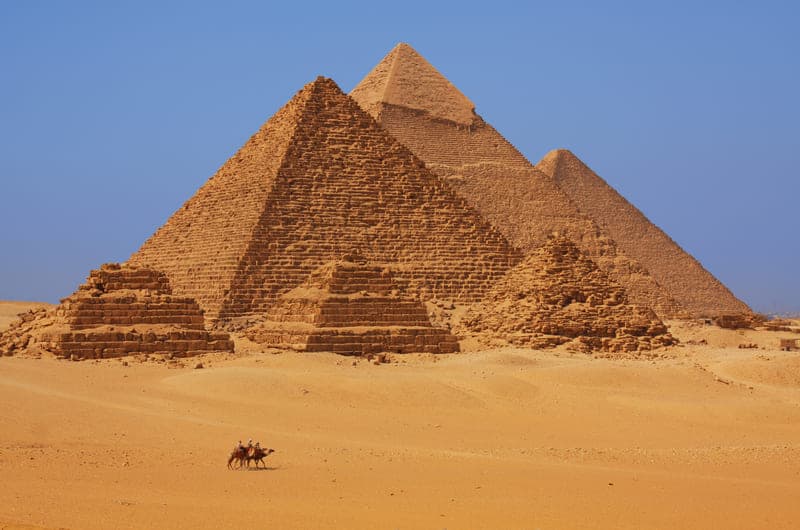
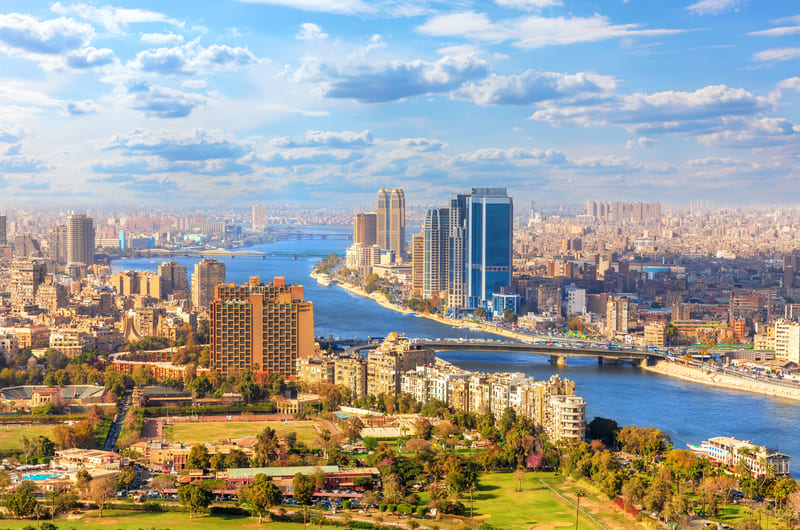
For many travelers, Cairo is the beginning of the adventure. Egypt's dynamic capital is a fascinating combination of historic neighborhoods, religious monuments, museums, restaurants, markets, and contemporary city life. The Nile flows through its heart, connecting modern Cairo with a river that has shaped Egyptian civilization for thousands of years. Nearby Giza delivers one of travel's most anticipated moments. Seeing the Great Pyramids of Giza for the first time is an experience that photographs cannot fully capture. The Great Pyramid of Khufu dominates the plateau, accompanied by the pyramids of Khafre and Menkaure and other ancient structures. Standing before these monuments offers an extraordinary connection to the ambition and engineering abilities of ancient Egypt. The Great Sphinx adds another layer of mystery. With the body of a lion and a human head, this monumental figure has watched over the Giza Plateau for thousands of years. Exploring Giza with a knowledgeable Egyptologist helps travelers understand the purpose of the pyramids, the beliefs associated with the afterlife, and the extraordinary civilization responsible for creating them. The Grand Egyptian Museum provides an exceptional complement to the monuments of Giza. Its vast collections allow visitors to explore ancient Egyptian history through statues, royal objects, archaeological discoveries, and treasures connected to the country's pharaohs. Visiting the museum alongside the Giza Plateau provides a deeper understanding of the people, beliefs, craftsmanship, and achievements behind Egypt's most famous monuments.
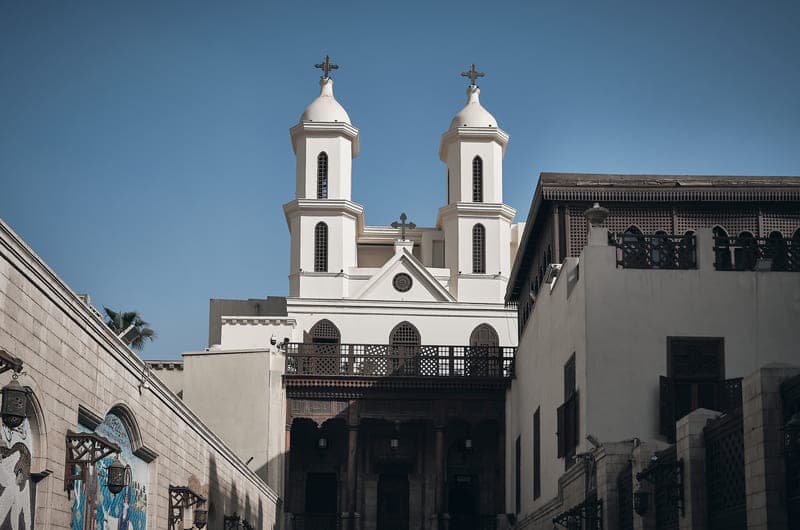
Cairo's history continues well beyond the pharaonic period. The Citadel and Mosque of Muhammad Ali introduce visitors to the city's Islamic heritage while providing sweeping views across Cairo. Old Cairo reveals another important chapter through historic churches and sites associated with Egypt's Coptic Christian community. For an entirely different experience, travelers can venture into Khan El Khalili. This famous bazaar is a maze of narrow lanes filled with shops selling spices, perfumes, jewelry, textiles, lanterns, traditional crafts, and souvenirs. Stopping at a café for tea or Egyptian coffee while watching the activity around you is one of the simplest and most enjoyable ways to experience Cairo. No journey through Egypt feels complete without time on the Nile. A Nile cruise is both a relaxing vacation experience and a practical way to explore many of the country's most important ancient sites. Egypt Tours and Vacations that combine Cairo with a cruise between Luxor and Aswan allow travelers to experience Egypt's history while enjoying constantly changing views of the river. From the deck, scenes of palm trees, agricultural fields, villages, fishing boats, and desert landscapes unfold along the riverbanks. Mornings bring soft light across the water, while sunsets transform the Nile into shades of gold and orange. Between sightseeing excursions, travelers can relax aboard their cruise ship and appreciate the landscapes that supported one of history's greatest civilizations.
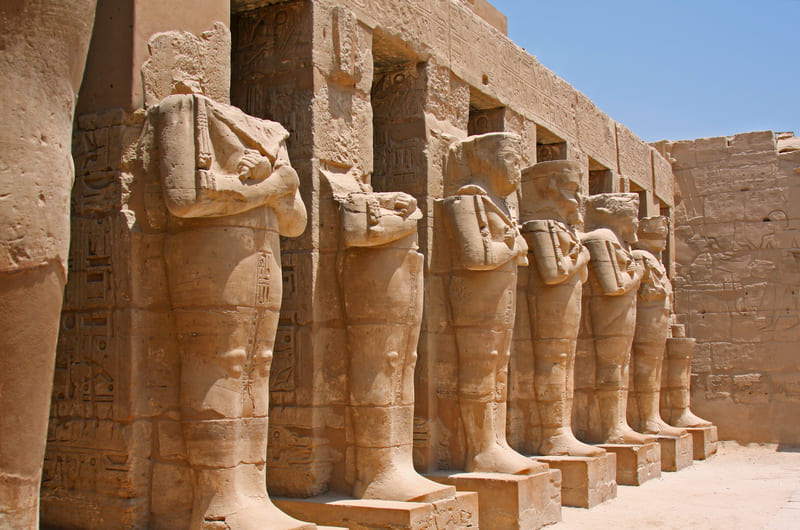
Luxor is one of the highlights of any Egyptian journey. Once part of ancient Thebes, the city and its surroundings contain an extraordinary concentration of temples, tombs, and archaeological treasures. On the East Bank, Karnak is breathtaking in scale. The vast temple complex developed over centuries, with generations of rulers adding temples, statues, obelisks, courtyards, and ceremonial spaces. Walking through the Great Hypostyle Hall beneath its enormous columns is one of Egypt's most impressive sightseeing experiences. Luxor Temple provides another remarkable encounter with the ancient world. Particularly beautiful when illuminated in the evening, the temple stands close to the modern city, creating a striking connection between past and present. Across the Nile, the West Bank was closely associated with ancient Egyptian beliefs about death and the afterlife. The Valley of the Kings contains tombs created for some of Egypt's most famous pharaohs. Descending into selected tombs reveals brilliantly decorated walls covered with hieroglyphics, religious texts, gods, and scenes intended to guide the deceased into the next world.
Nearby, the Temple of Queen Hatshepsut rises against dramatic limestone cliffs. Its terraces and colonnades honor one of ancient Egypt's most fascinating rulers. The enormous Colossi of Memnon provide another memorable stop, while additional archaeological sites across the West Bank reveal the extraordinary scale of ancient Thebes. Travelers looking for a different perspective can take a hot air balloon ride over Luxor. Floating above temples, farmland, villages, the Nile, and the desert as the sun rises creates an unforgettable view of the landscape.
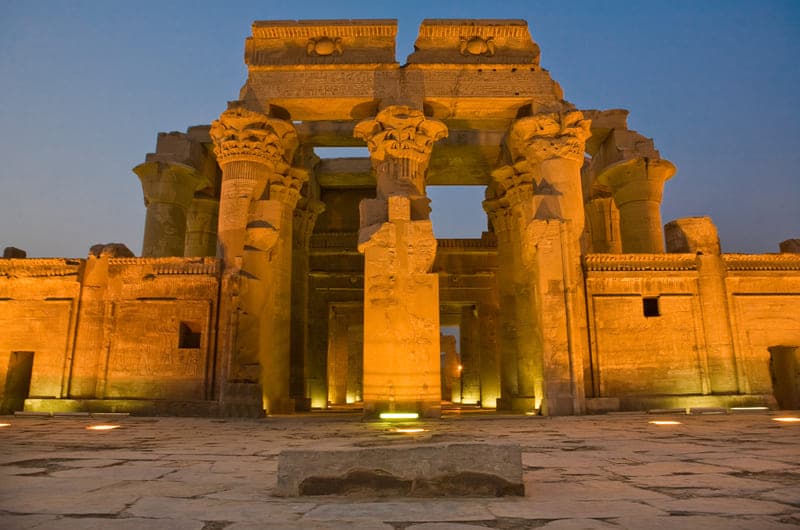
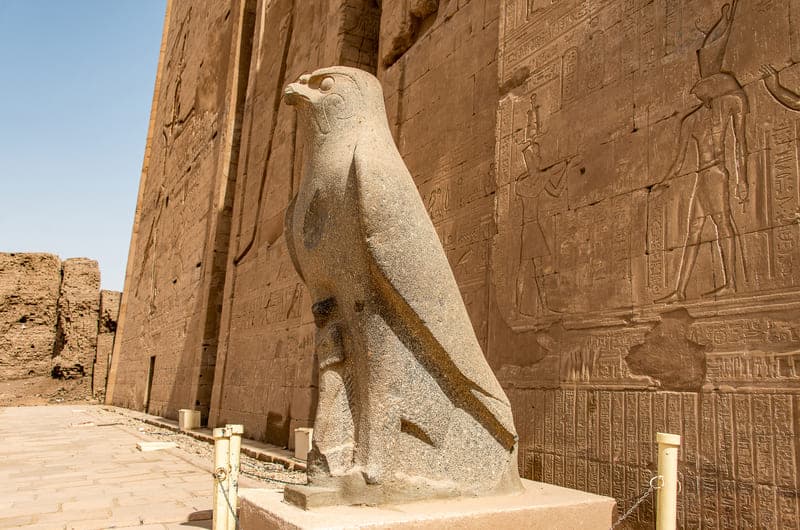
As a Nile cruise continues south, Edfu introduces visitors to the Temple of Horus. Exceptionally well preserved, the temple offers an impressive look at ancient Egyptian religious architecture. Massive pylons lead into courtyards, halls, and sacred chambers decorated with detailed reliefs. Kom Ombo is equally distinctive. Set beside the Nile, the temple is unusual because of its dual design honoring Sobek and Haroeris. Its symmetrical layout, reliefs, and riverside setting make it a fascinating stop between Luxor and Aswan.
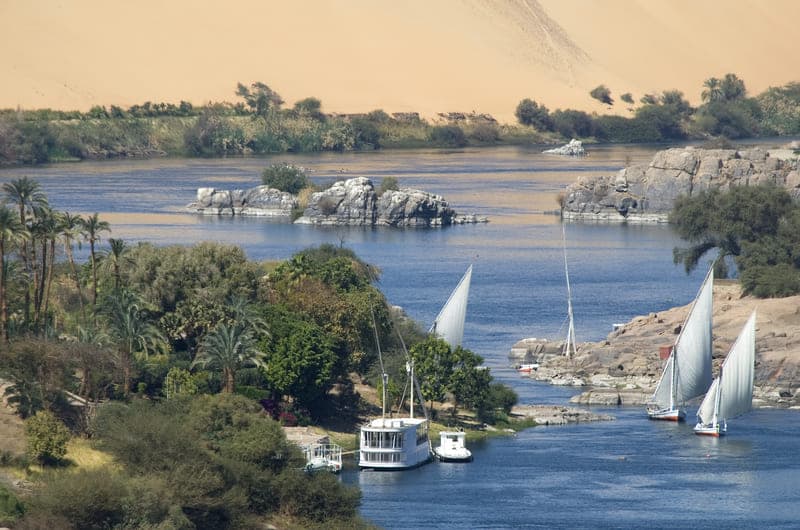
Aswan brings a more tranquil atmosphere. The Nile flows around islands and granite formations, traditional feluccas move across the water, and Nubian culture adds another dimension to the experience. The Temple of Philae is among Aswan's most beautiful archaeological treasures. Dedicated primarily to Isis, the complex occupies a picturesque island setting and can be reached by boat. Its columns, courtyards, carvings, and waterfront location make it one of the most atmospheric temple visits in Egypt. Travelers can also see the Unfinished Obelisk, which offers fascinating insight into ancient stoneworking techniques, and the Aswan High Dam, a landmark of modern Egyptian engineering. A traditional felucca ride is one of Aswan's most relaxing activities. Powered by the wind, these graceful sailboats provide a peaceful way to experience the Nile and admire the surrounding scenery. Visitors can also explore Nubian culture through experiences that introduce colorful villages, traditional crafts, food, music, and local customs.
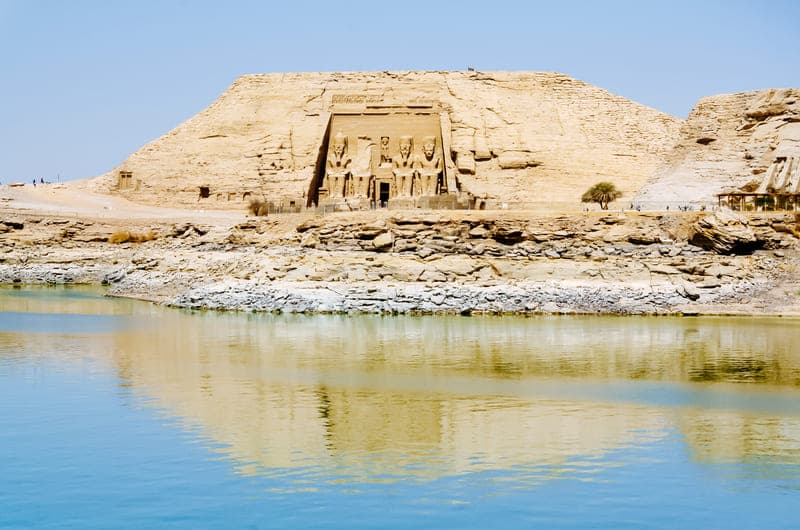
Farther south, Abu Simbel is one of Egypt's great archaeological wonders. The monumental temples of Ramses II and Queen Nefertari are famous for their enormous statues and extraordinary setting. The temples are also celebrated for the remarkable modern engineering project that relocated them to higher ground to protect them from rising waters.
Customized Egypt Travel makes it possible to go beyond the classic Cairo and Nile itinerary. Travelers interested in Mediterranean history can add Alexandria, where Egyptian, Greek, Roman, and modern influences meet beside the sea. Those seeking relaxation can continue to the Red Sea for beaches, resorts, snorkeling, and diving. Hurghada offers a particularly appealing contrast after days of archaeological sightseeing. Travelers can relax beside the Red Sea, enjoy water activities, or simply slow the pace before returning home.
Food is another rewarding way to understand Egyptian culture. Koshari, one of the country's most popular dishes, combines rice, lentils, pasta, chickpeas, tomato sauce, and crispy onions. Ful medames, made from fava beans, is a traditional favorite, while ta'ameya offers Egypt's distinctive version of falafel. Travelers can also enjoy grilled meats, stuffed vegetables, mezze, freshly baked breads, seafood, and sweet desserts. A traditional meal with a local family, a food tour through Cairo, or dinner overlooking the Nile can transform dining into a cultural experience.
Egyptian craftsmanship provides another connection to the country's traditions. Markets and workshops showcase textiles, jewelry, decorative metalwork, pottery, perfumes, spices, and other locally inspired products. Taking time to explore these crafts adds depth to a journey that might otherwise focus primarily on archaeological sites.
One of the advantages of Affordable Egypt Travel Packages is the ability to combine many different experiences within a single vacation. A thoughtfully planned itinerary can include hotels, transportation, guided sightseeing, entrance fees, Nile cruising, meals, airport transfers, and professional Egyptologists, allowing travelers to focus on the destination rather than coordinating complicated logistics.
Expert guidance is especially valuable in Egypt. With thousands of years of history, numerous dynasties, rulers, religious traditions, and archaeological sites, the stories behind the monuments can be complex. Professional Egyptologists bring these places to life by connecting individual temples, tombs, artifacts, and hieroglyphics to the larger story of Egyptian civilization. Travelers can also choose from itineraries with guaranteed departure dates, making it easier to coordinate international flights and vacation schedules with confidence. Whether the journey includes a classic Nile cruise, an in-depth cultural program, additional destinations, or a combination of sightseeing and relaxation, Egypt can be shaped around many different travel styles.
What makes Egypt unforgettable is the contrast between the monumental and the personal. Travelers may spend the morning standing beneath a pyramid built thousands of years ago, then enjoy lunch overlooking the Nile. They may enter a brilliantly decorated royal tomb before watching the sunset from a cruise ship, or explore an ancient temple before wandering through a lively market filled with the sounds and aromas of modern Egypt.
Through Egypt Travel Packages, visitors can experience far more than the country's famous monuments. Egypt is history, but it is also culture, cuisine, hospitality, adventure, landscapes, and life along the Nile.
From the Pyramids of Giza and the treasures of Cairo to the temples of Luxor, the river landscapes of Aswan, and the ancient monuments that line the Nile, Egypt offers an extraordinary journey through thousands of years of human achievement. Every temple tells a story, every market introduces another tradition, and every sunset over the Nile provides another reminder of why travelers have been captivated by Egypt for generations.